
Your Family Has Waited Long Enough
Our team of expert immigration lawyers can help you push it forward
- Our legal team will review your case for free.
- We will tell you which strategy fits your speicific situation
- We will follow up with the authority and file a lawsuit (if required)
- We will be with you until your family joins you in Germany
Known From







You Applied Family Reunion Visa Months Ago
Your Family is Still Apart
Silence from the consulate
Stuck at the Ausländerbehörde
Every month apart
No clear next step
How to Move Your Family Reunion Visa Application Forward
Your minor child applied
For a minor child, we recommend filing for a provisional injunction relief.
When the applicant is a minor child, German courts have a clear statement that the young child should not be separated from their parent.
The separation can cause irreparable damage to the parent-child bond.
This is exactly the kind of urgency that provisional injunction relief (einstweilige Anordnung, § 123 VwGO) exists for.
Provisional injunction relief is the fastest way to get a decision. Based on our previous successful cases, we got a decision between 2 and 6 weeks after filing for provisional injunction relief.
Your partner applied
For your partner’s family reunion visa, we evaluate whether to pursue an out-of-court process or a lawsuit.
Some authorities, like Munich (KVR), are the least co-operative. On the other Berlin authority (LEA), is very reasonable.
Depending on how long you have been waiting, whether the authority has responded to your messages and letters, etc., we determine the best strategy to get your family reunion visa faster.
Why Choose Us?
Expert Lawyers
Fair & Transparent
Honest Guidance
Complete Support
How It Works
Free Case
Assessment
We Take Over Communication
We File The Lawsuit, If Needed
Assess Your Case For Free
Real Cases. Real Timelines
CASE-2026-402
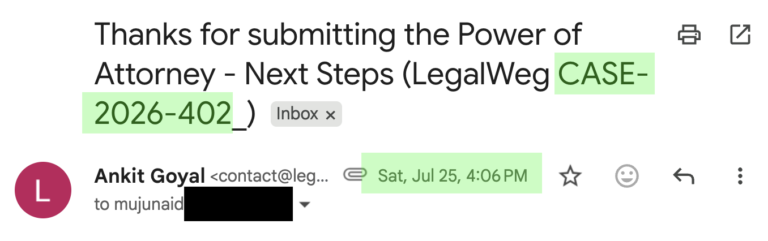
Client submitted the Power of Attorney
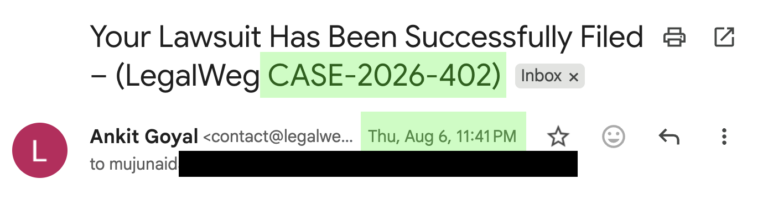
We filed the lawsuit
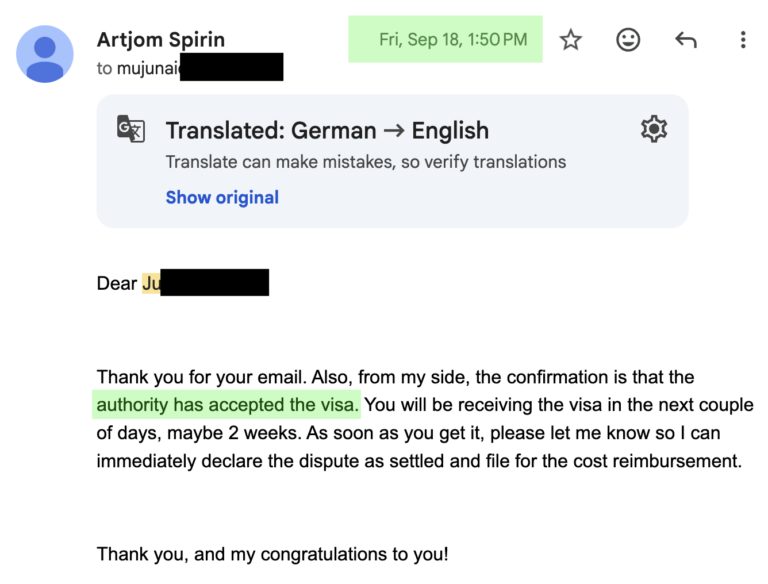
Visa approved by the inland authority
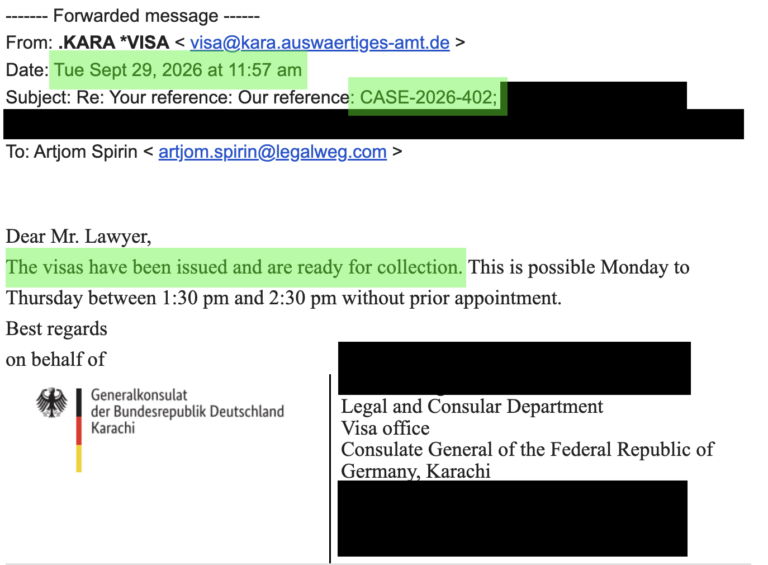
Visa is ready to be picked up from the German consulate
CASE-2026-188
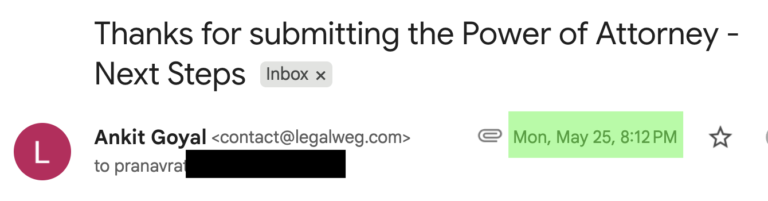
Client submitted the Power of Attorney
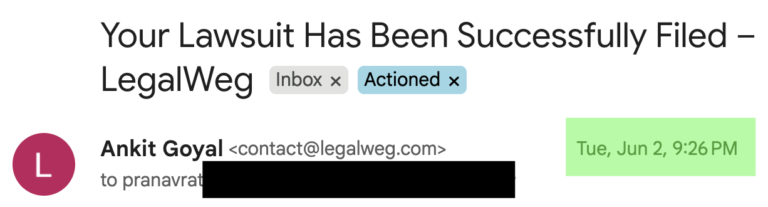
We filed the lawsuit
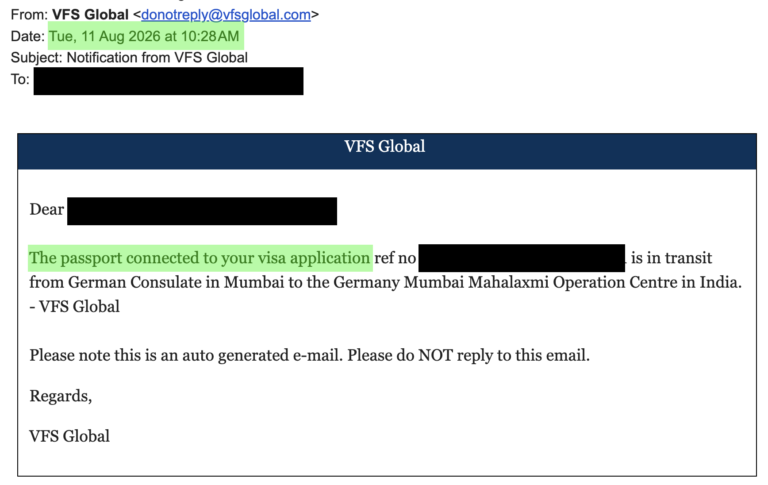
Visa approved by the authority
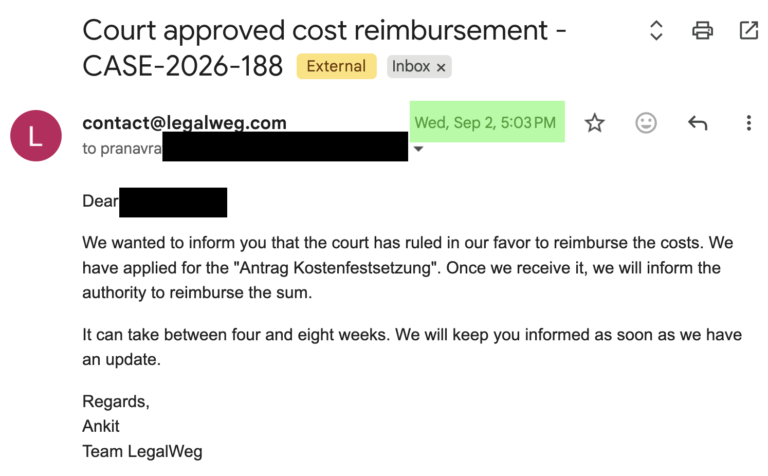
Court approved the court and legal fee reimbursement
What Our Clients Say
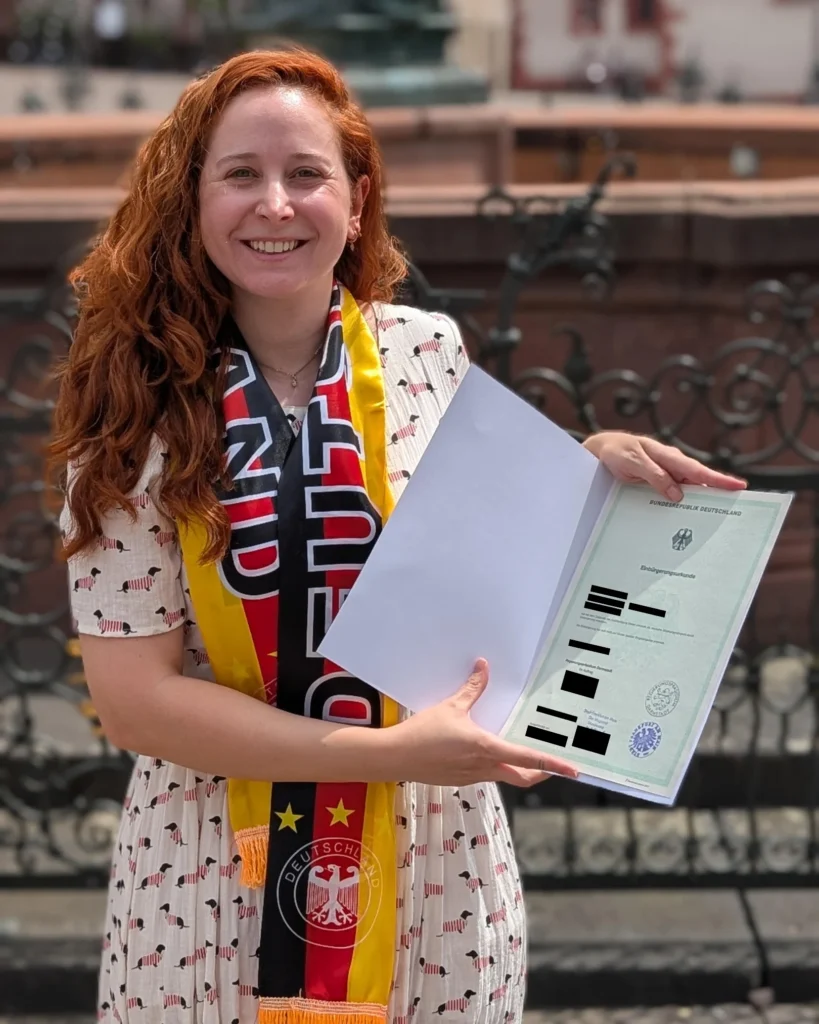
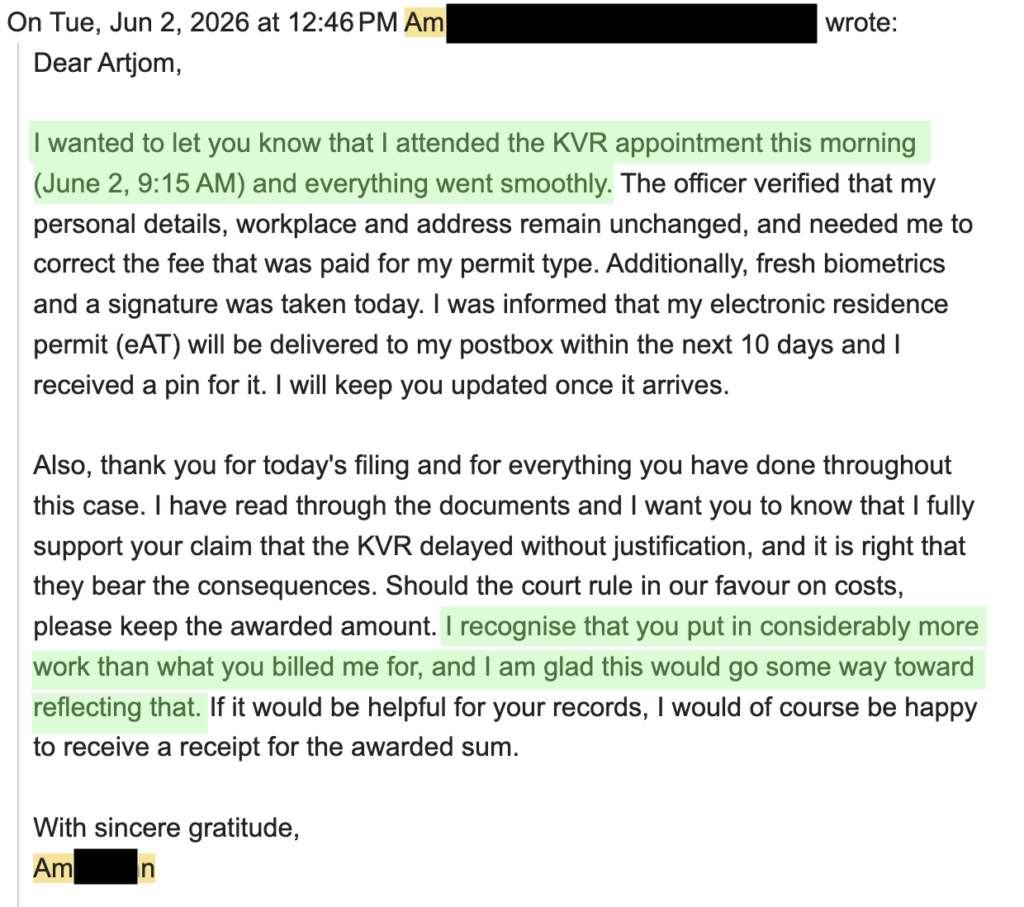
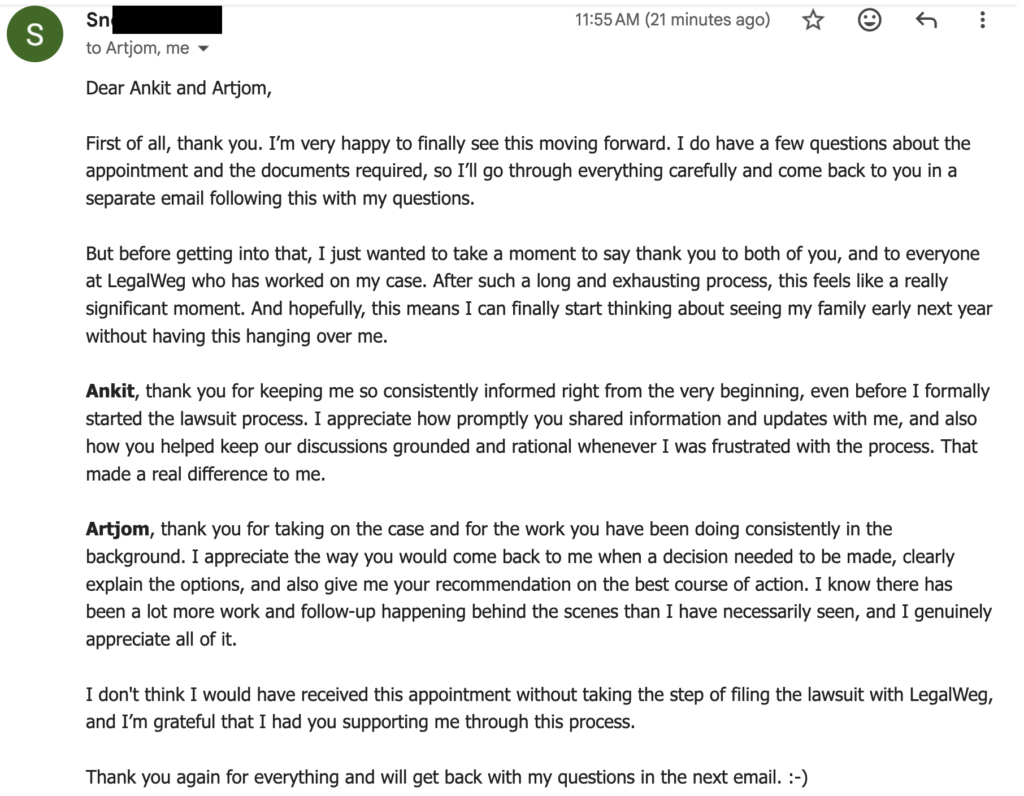
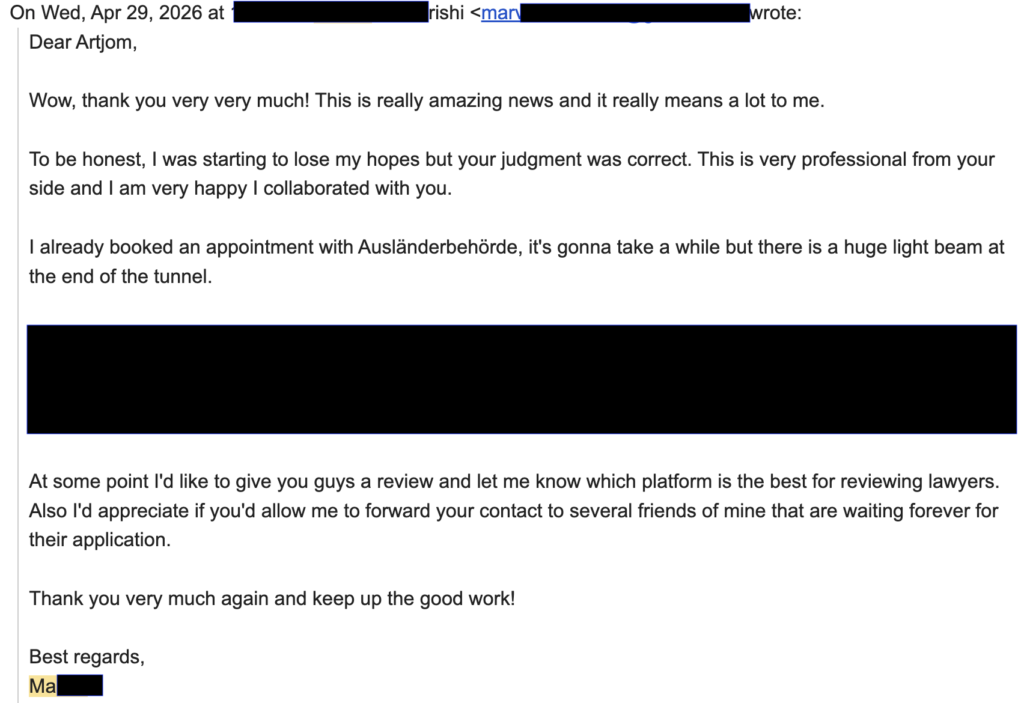
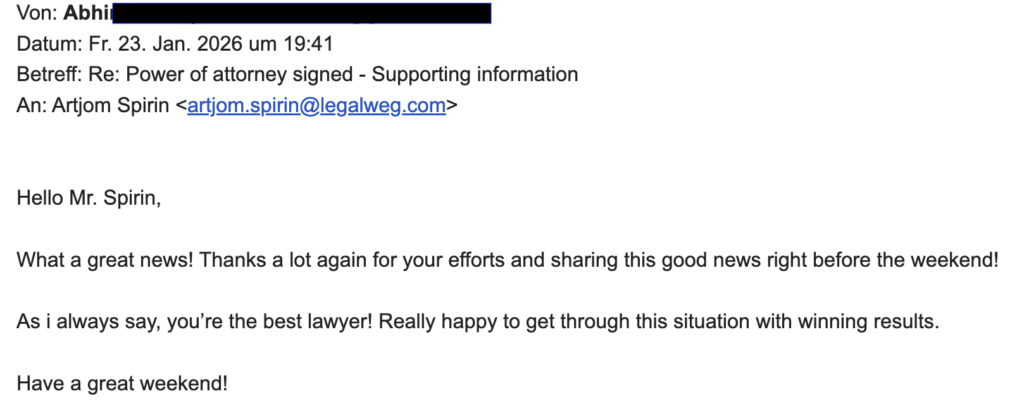
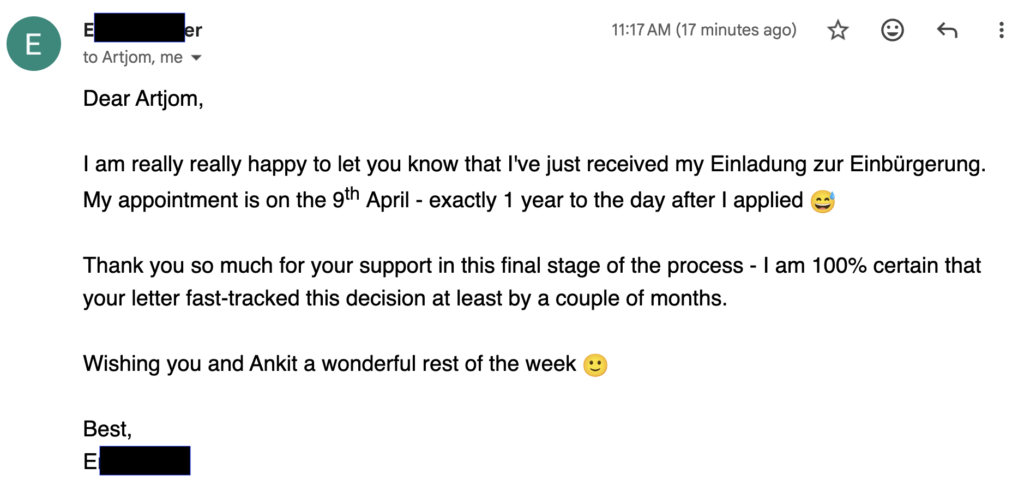
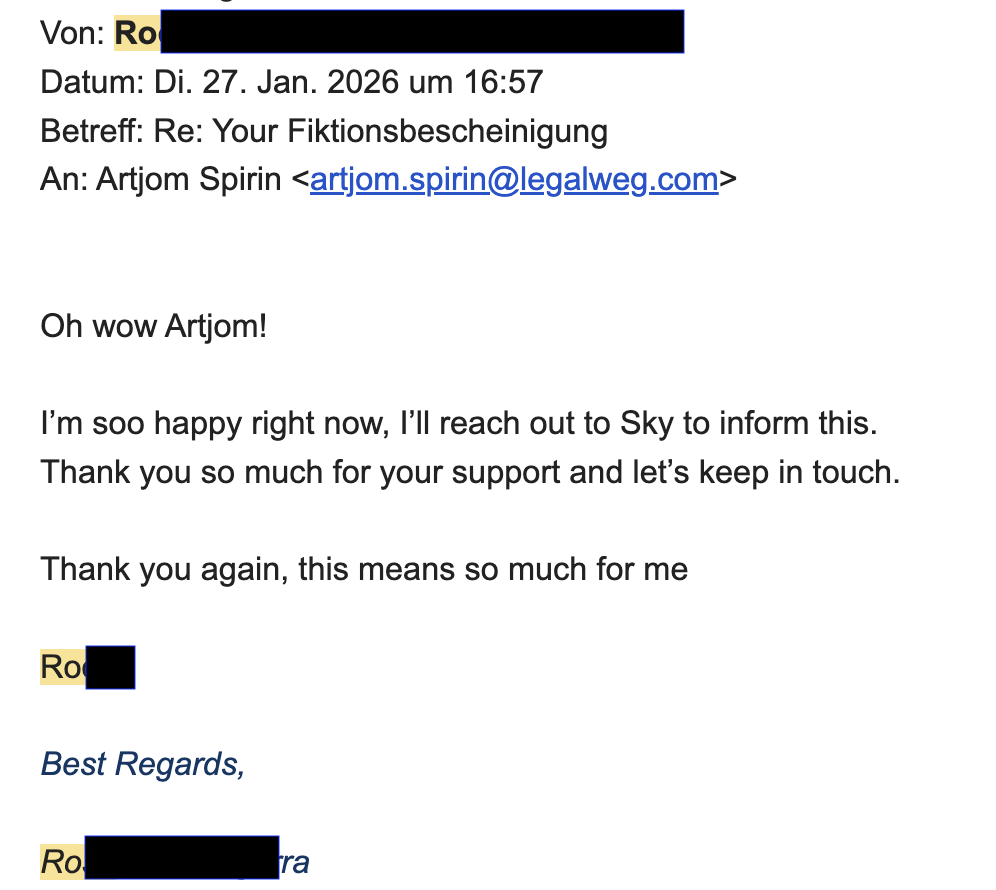
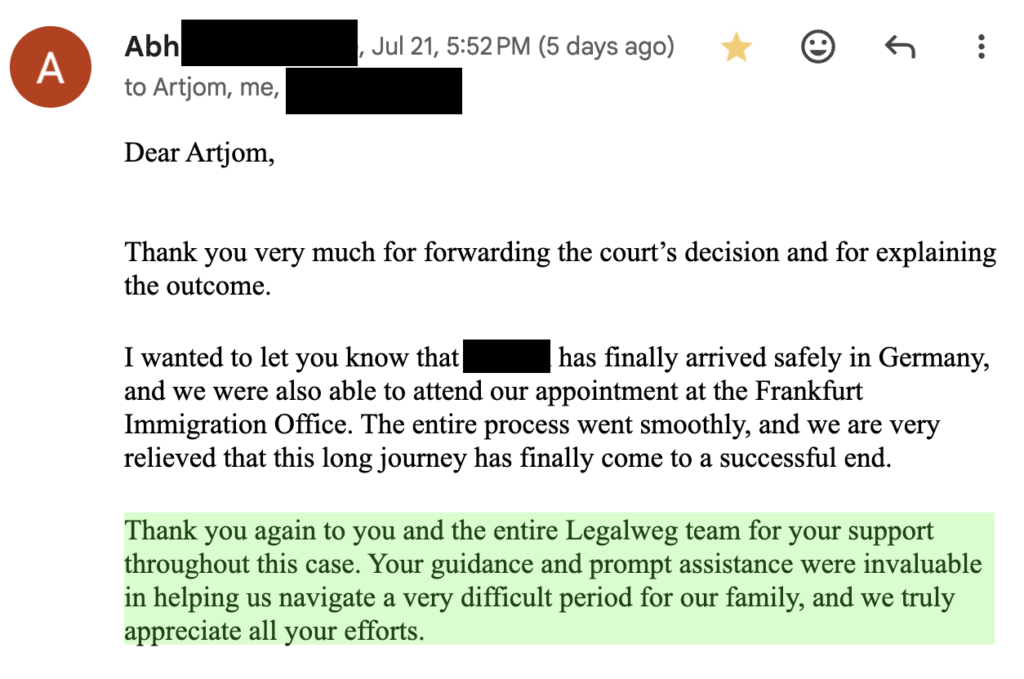
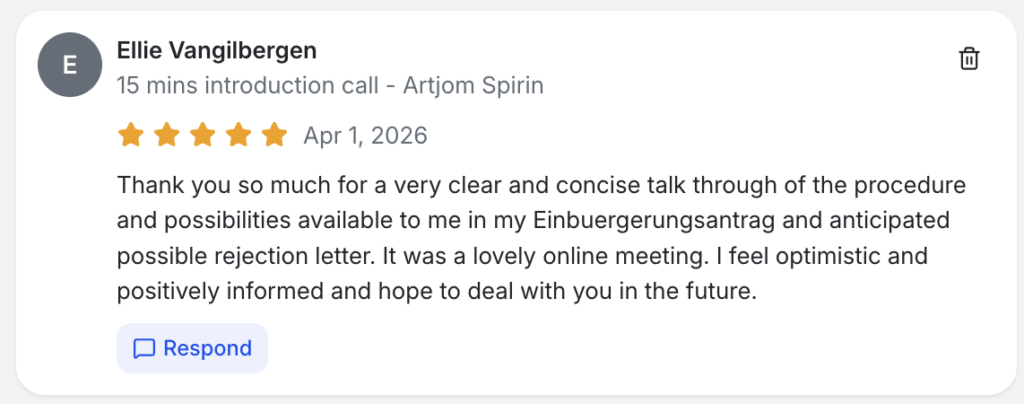
That’s when I found this service. Mr. Spirin reviewed my case carefully, explained what an Untätigkeitsklage is, and checked whether it made sense to file one. They filed the lawsuit on my behalf, kept me updated, and handled all communication with the court. Within a few weeks, the authorities finally responded and processed my application. I honestly didn’t expect such quick results.
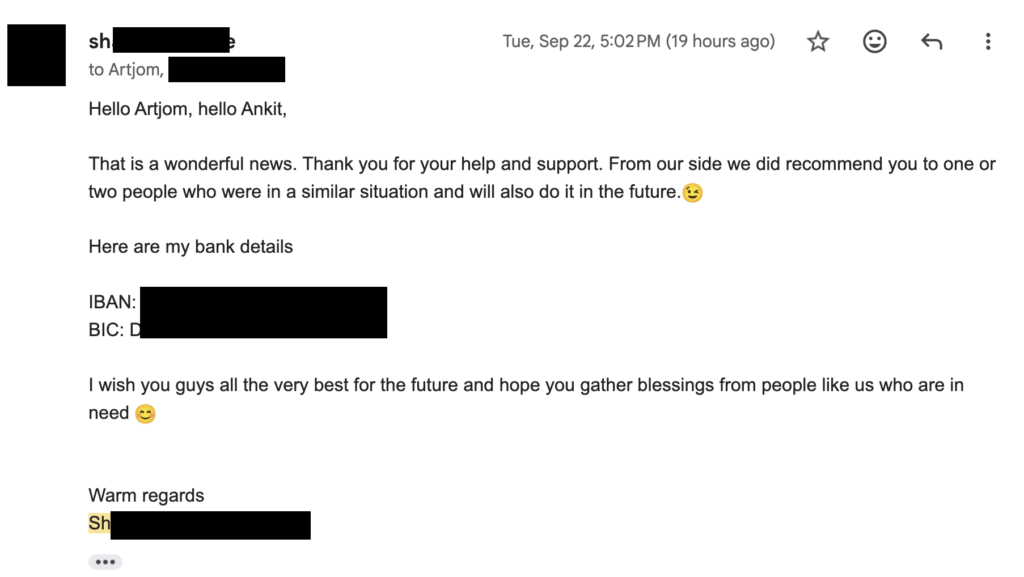
I’ve already recommended them to two friends in the same situation.
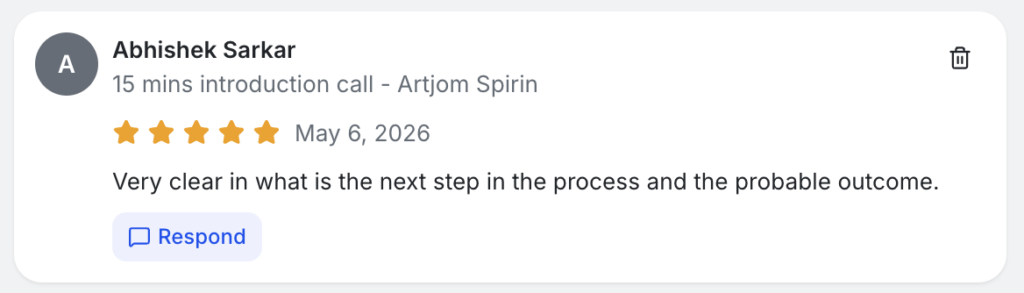
He looked at my situation carefully and advised against filing a lawsuit because it wouldn’t help at that point. He told me to send a letter to request an answer from the authorities instead.
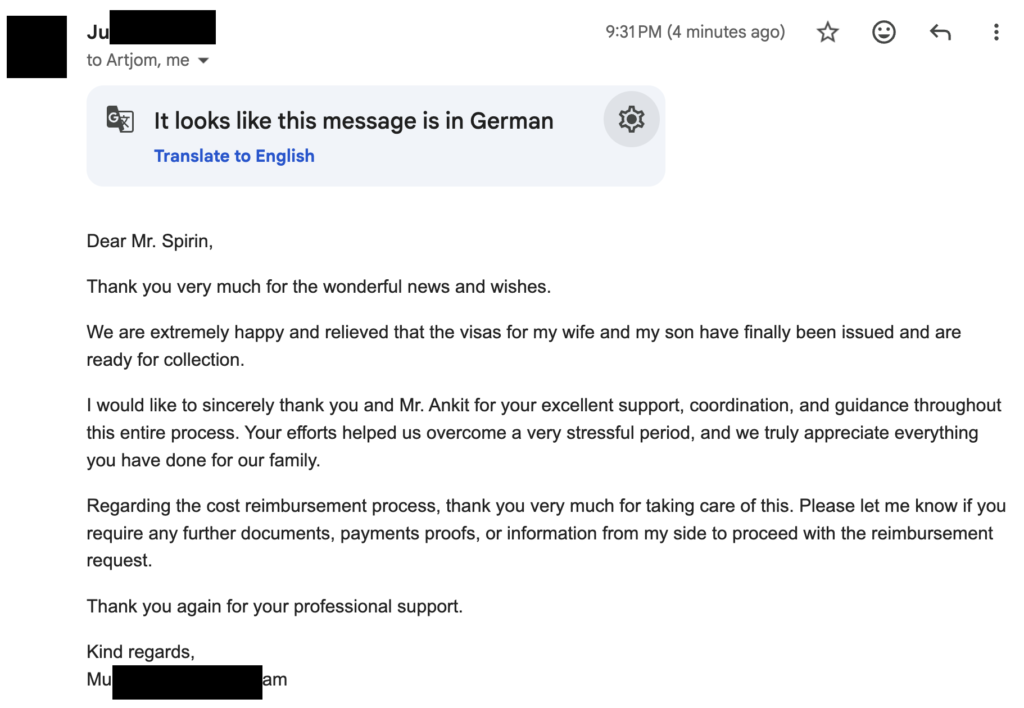
Highly recommend him to everyone.
Don't Put Your Future on Hold
Family Reunion Visa Explained
What does family reunification mean under German law?
Family reunification (Familiennachzug) under German law lets a close family member move to Germany and live with a relative already living there. The relative living in Germany is called the sponsor.
The family member joining the sponsor receives a residence permit. The permit’s purpose is to protect the marriage and the family, as § 27 Aufenthaltsgesetz (AufenthG) sets out.
The family reunification rules are in sections 27 to 36a of the AufenthG. A different section applies to each type of sponsor:
- German citizens sponsor family members under § 28 AufenthG.
- Foreign residents with a German residence permit sponsor family members under §§ 29 to 36 AufenthG.
- People with subsidiary protection sponsor family members under § 36a AufenthG, which is currently suspended (as of Sept 2026).
The AufenthG rules above do not cover family members of EU, EEA, and Swiss citizens living in Germany. These family members follow a separate law, the EU free movement rules.
A family member who joins a sponsor with a family reunification permit can work in Germany without a separate work permit.
What are the requirements for family union visa in Germany?
You must meet the following requirements to apply for a family reunion visa in Germany.
- A genuine family relationship, proven with a marriage certificate, a partnership certificate, or a birth certificate.
- Enough income to support the family without public benefits such as basic income support (Grundsicherungsgeld, called Bürgergeld until July 2026).
- Enough living space for the family, up to the social housing standard.
- Health insurance covering every family member.
- May also need a German language A1 certificate for a joining spouse. The certificate must be from a recognized test provider such as the Goethe-Institut or Telc. In some cases, the joining family member doesn’t need a German language certificate.
Who is exempt from the A1 German requirement for the family reunion visa?
A spouse is exempt from the A1 German requirement if the sponsor
- holds an EU Blue Card or another skilled worker permit, OR
- he/she is a recognized refugee whose marriage existed before the move to Germany
The other main exemptions from the A1 German requirement are:
- The sponsor is a citizen of Australia, Canada, Israel, Japan, New Zealand, South Korea, the United Kingdom, or the United States.
- The spouse cannot prove basic German because of an illness or disability.
- Special circumstances make it impossible or unreasonable for the spouse to try to learn German before entry.
- The spouse of a German citizen has tried to learn German for a year without reaching A1 level (BAMF).
The nationality exemption depends on the sponsor’s citizenship, not the joining spouse’s. A US citizen joining a sponsor from a country outside this list still needs A1 German.
How long does it take to process a family reunion visa in Germany?
The complete process to get the family reunion visa can take about 2 to 4 months. The processing time depends on the individual case and where the sponsor lives in Germany. Major cities like Munich, Stuttgart, and Frankfurt take longer than smaller cities.
If your family reunion visa application is delayed for more than three months without a good reason, you can file a failure-to-act lawsuit (Untätigkeitsklage).
How to apply for a German family reunion visa
The family member applies from abroad, at the German embassy or consulate responsible for the country where they live.
Follow these steps to apply for a family reunion visa:
- Confirm which family reunification rules apply to your family. First, check the sponsor’s residence status. That status decides whether income, housing, and A1 German requirements apply.
- Gather the documents for the family reunion visa. The main documents are:
- The family member’s valid passport.
- The marriage certificate or birth certificate.
- A copy of the sponsor’s passport and German residence permit, or the sponsor’s German ID card.
- The sponsor’s employment contract and recent payslips.
- The sponsor’s rental contract.
- The sponsor’s registration certificate (Meldebescheinigung).
- The A1 German certificate, if needed.
- Get foreign documents legalized and translated. They usually need an apostille or legalization plus a certified German translation. The rules depend on the issuing country, so check the German mission’s checklist.
- Apply for the family reunion visa at the German mission. You can apply online through the Auswärtiges Amt’s Consular Services Portal. It is open to family reunion visas worldwide since January 1, 2025.
- Attend the in-person visa appointment. You still visit the German mission or its external service provider to give fingerprints, show original documents, and pay the visa fee. The Auswärtiges Amt’s Consular Services Portal page sets out this appointment.
- Wait for the local immigration office’s approval, if your case requires it. The German mission forwards your application to the local immigration office (Ausländerbehörde) in the sponsor’s town. The Ausländerbehörde checks income, housing, and health insurance.
- Collect the visa and enter Germany.
- Register your address and apply for the residence permit. Register your new address at the citizens’ office (Bürgeramt) within two weeks of moving in. Then apply for your residence permit at the Ausländerbehörde before your family reunion visa expires.
Citizens of 14 countries can enter Germany visa-free under § 41 AufenthV. They can apply for the residence permit directly at the Ausländerbehörde within 90 days of entry.
These countries include the United States, the United Kingdom, Canada, Australia, and Japan. The A1 German requirement for a joining spouse still applies.
Frequently Asked Questions
How long does a family reunion visa normally take?
It varies by consulate, authority, and case. On average, it takes between 1 and 4 months to get a decision after starting the process.
If a minor child is involved, things move faster.
Can I file provisional injunction relief for my spouse?
Provisional injunction relief applies only in urgent situations. If separation from your spouse creates an urgent situation that you can prove, then yes, you can file for provisional injunction relief.
We evaluate your case carefully to determine whether provisional injunction relief makes sense or whether we should go with a different strategy to obtain your Family Reunion Visa.
Will taking legal action make the authority slow things down further?
No. Authorities are legally required to process your case regardless of whether you’ve taken formal action. Legal pressure is a normal, well-established part of German administrative law. It does not count against you.
Do you handle both the letter and, if needed, the lawsuit?
Yes, we offer complete service at a flat rate.
Based on your case, we try to resolve it out of court, file a lawsuit, or move forward with provisional injunction relief. We stay with you until your family members join you in Germany.
Even after the inland immigration authority approves the visa, you can reach us if you have any issues, questions, or concerns.
What is an Untätigkeitsklage?
An Untätigkeitsklage (“action for failure to act”) is a lawsuit you file at the administrative court (Verwaltungsgericht) when an authority sits on your application without deciding it. It doesn’t ask the court to grant you the permit directly — it asks the court to make the authority finally do its job.
In immigration cases, the authority is usually the Ausländerbehörde, but it can also be the Bundesverwaltungsamt (citizenship), a Standesamt, or a German embassy.
When can I file an Untätigkeitsklage?
The general rule under § 75 VwGO is three months. If you filed a complete application or an objection (Widerspruch) and the authority hasn’t decided within three months without a good reason, you can go to court.
Shorter waits can qualify in special circumstances — for example if a job offer, a visa expiry, or a family separation is about to cause you serious harm. Longer waits are sometimes accepted by courts if the authority has a legitimate reason for the delay, such as a pending security check.
What can the court actually order?
Depending on your case, the court can:
- order the authority to decide your application within a set deadline, or
- decide the substance itself and order the authority to issue the permit, where the legal requirements are clearly met and no discretion is involved.
What a court cannot do is guarantee a positive decision in a case where you don’t meet the requirements. If your application is weak on the merits, forcing a decision may simply produce a faster rejection and we will tell you that before you spend money.
Will filing a lawsuit make the Ausländerbehörde treat me badly?
No. This is the fear we hear most often, and it isn’t how the system works. Officials are bound by law, not by mood, and processing your application faster is exactly what the court obliges them to do. A decision on your permit has to be made on the legal requirements alone.
Filing a claim is a normal, routine legal step in Germany.
What does winning the lawsuit means?
Winning the lawsuit means that the immigration authorities made a decision. The decision could be in your favor or against.
This means that as soon as you get a decision from the authorities, you win the lawsuit.
You are eligible to request reimbursement for your legal fees and court costs after winning the lawsuit. Our legal team will do this on your behalf.
Do I get the legal fees back after winning the lawsuit?
In Germany, if you win a lawsuit, the opposing party (in this case, the immigration office) typically covers your legal fees, including court and lawyer costs. However, the specifics can depend on the individual case and ruling.
It’s always best to confirm with your lawyer for details specific to your situation.
Does my legal insurance cover the cost of the lawsuit?
Whether your legal insurance covers the cost of a lawsuit against the immigration office depends on your policy.
Some legal insurance plans in Germany include coverage for administrative law cases, which may apply to citizenship or visa delays.
You should contact your legal insurance provider to confirm if they cover the legal costs for Untätigkeitsklage for visa delays.
What is the difference between Untätigkeitsklage and einstweiliger Rechtsschutz?
An Untätigkeitsklage is the standard route: it resolves the delay properly, and takes weeks to months.
Einstweiliger Rechtsschutz (provisional injunctive relief) is the emergency route, used when waiting itself will cause you irreversible harm. E.g., you’re about to lose a job offer, your Fiktionsbescheinigung is expiring, a family member is stuck abroad. It’s much faster, but the court has to accept that your situation is genuinely urgent.
The two are not mutually exclusive, and in the right case filing both applies real pressure. Which route fits you is a strategic decision. We explain you what strategy makes sense in your situation in the beginning.
Which cases do you handle?
Any delay in a German immigration matter, including:
- German citizenship (Einbürgerung)
- Permanent residence (Niederlassungserlaubnis, Daueraufenthalt-EU)
- Blue Card and work permits
- Family reunification and spouse visas
- Residence permit extensions and change of purpose
- Settlement of EU/EEA family members
- Delayed appointments and unanswered Widerspruch
If you’re not sure your situation fits, ask. The assessment is free either way.
Do I have to appear in court?
Usually not. So far, we haven’t seen a case where a court hearing is scheduled.
Most delay cases are resolved in writing or end once the authority decides. Personal attendance is rarely required.
Do I have to be in Germany to file an Untätigkeitsklage?
No. We act for clients waiting on embassy visa decisions and family reunification cases from outside Germany. Everything runs through secure document upload, email, and video calls.