
File an Untätigkeitsklage
Take action when the Ausländerbehörde doesn’t respond
- Our legal team will review your case for free.
- We will inform if Untätigkeitsklage makes sense
- We try to resolve the issue out-of-court
Known From







Visa Types We Support
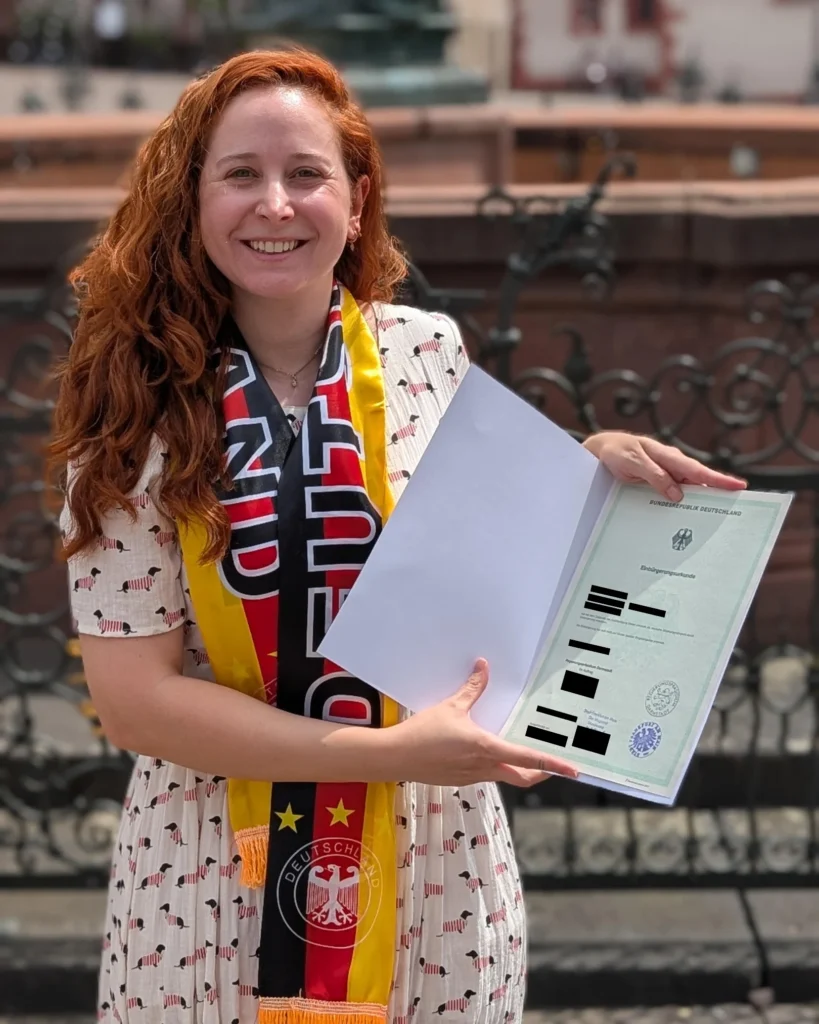
German Citizenship
Permanent Residence
Blue Card
Family Reunion
Opportunity Card
Student Visa
Job Visa
Freelancers Visa
How it Works
Step 1: Free case assessment
Send us your request, and we will assess your case for free*.
Step 2: Consultation
Free* consultation with a German immigration lawyer to discuss your case in detail and identify the best next steps.
Step 3: Sign the Power of Attorney
Share your application details and sign the Power of Attorney online.
It only takes 10 minutes to complete.
Step 4: Preparing the draft
Expert immigration lawyers prepare the letter or lawsuit draft for your review.
Step 5: File the letter/lawsuit
Once you have reviewed the draft, we will submit the letter to the immigration authority or file the lawsuit (Untätigkeitsklage).
Step 6: Communication
We take over communication with the immigration authorities and the court. We keep you informed about the process and updates.
We proactively follow up with the immigration authorities and the court when it makes sense to speed up the process.
If you have any doubts during the process, we will clarify them within 24 hours.
Step 7: Decision
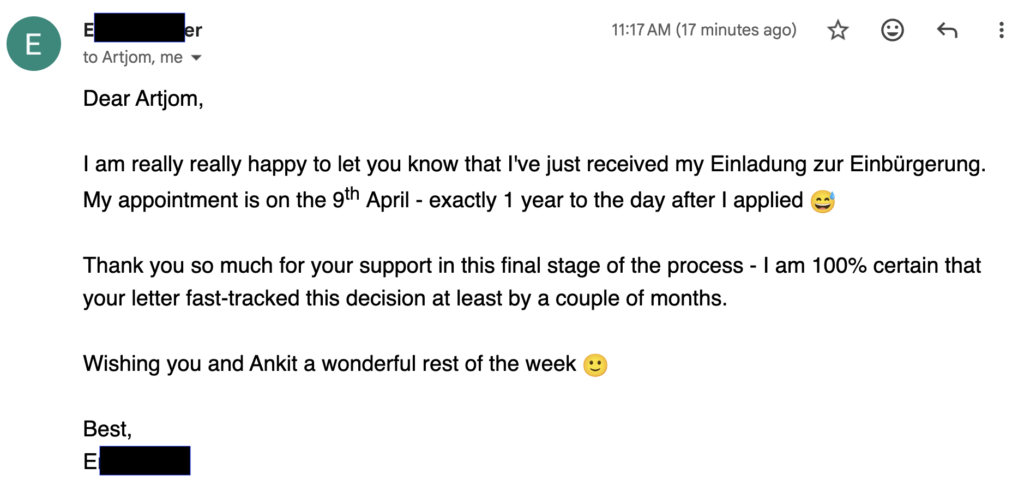
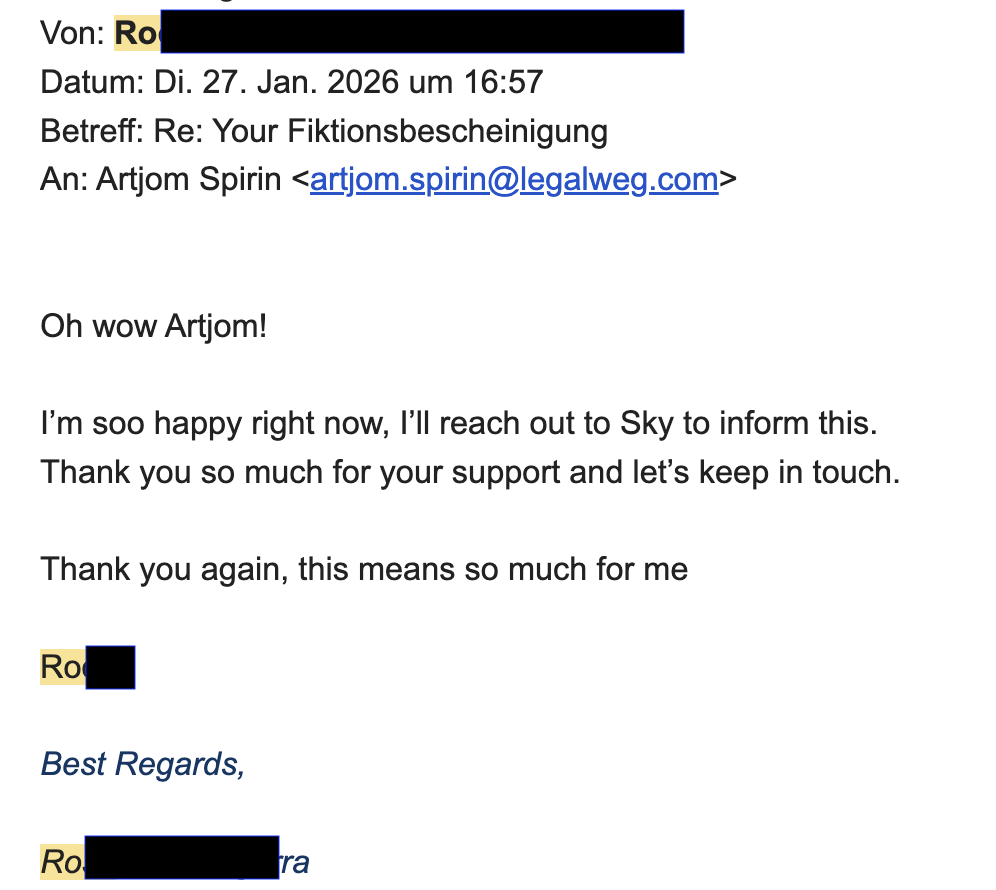
The authority will approve your application and offer an appointment to collect your residence permit or Urkunde.
citizenship or residence permit
Step 8: Cost Reimbursement
Once you receive the residence permit or citizenship, we declare the case settled with the court and apply for reimbursement of costs.
It usually takes 1 to 3 months to get approval for cost reimbursement from the court and reimbursement from the immigration authority.
citizenship or residence permit
Step 1: Free case assessment
Send us your request, and we will assess your case for free*.
Step 2: Consultation
Free* consultation with a German immigration lawyer to discuss your case in detail and identify the best next steps.
Step 3: Sign the Power of Attorney
Share your application details and sign the Power of Attorney online.
It only takes 10 minutes to complete.
Step 4: Preparing the draft
Expert immigration lawyers prepare the letter or lawsuit draft for your review.
Step 5: File the letter/lawsuit
Once you have reviewed the draft, we will submit the letter to the immigration authority or file the lawsuit (Untätigkeitsklage).
Step 6: Communication
We take over communication with the immigration authorities and the court. We keep you informed about the process and updates.
We proactively follow up with the immigration authorities and the court when it makes sense to speed up the process.
If you have any doubts during the process, we will clarify them within 24 hours.
Step 7: Decision
The authority will approve your application and offer an appointment to collect your residence permit or Urkunde.
citizenship or residence permit
Step 8: Cost Reimbursement
Once you receive the residence permit or citizenship, we declare the case settled with the court and apply for reimbursement of costs.
It usually takes 1 to 3 months to get approval for cost reimbursement from the court and reimbursement from the immigration authority.
citizenship or residence permit
Assess Your Case For Free
Real Cases. Real Timelines
CASE-2026-402
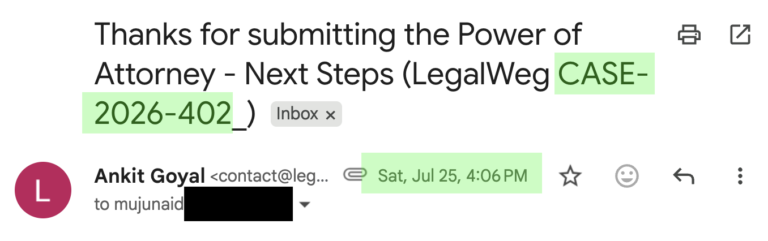
Client submitted the Power of Attorney

We filed the lawsuit
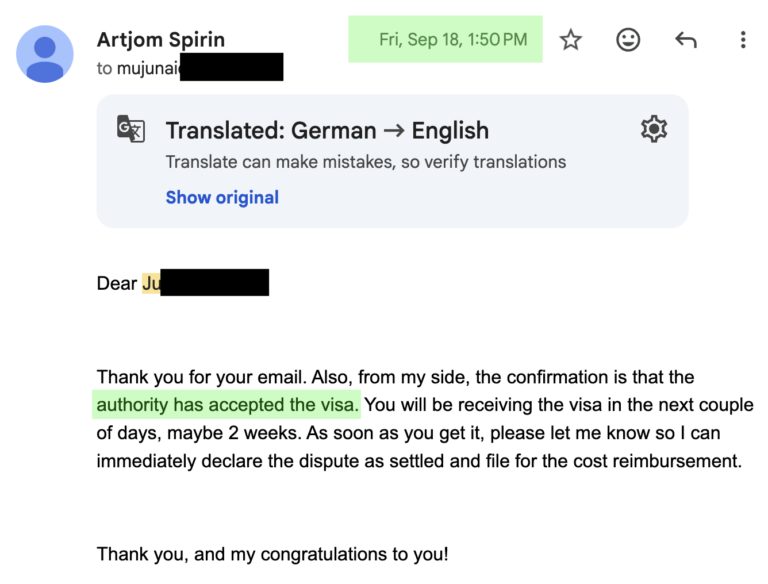
Visa approved by the inland authority
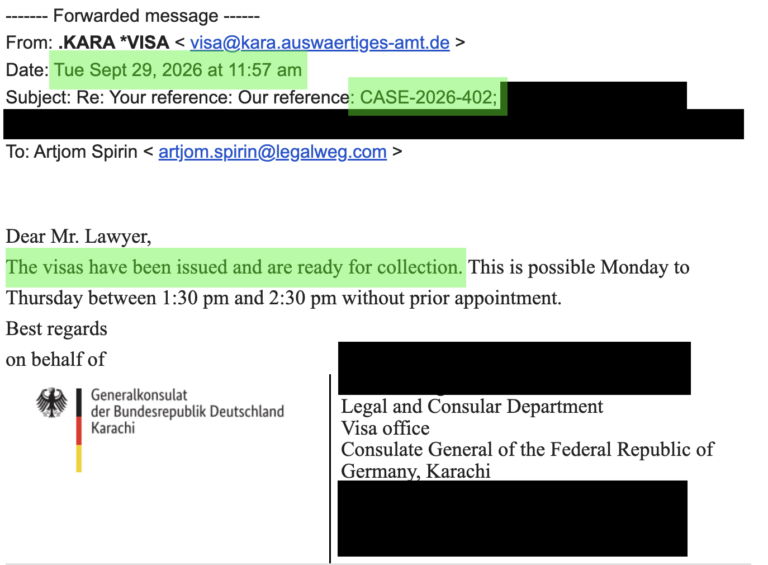
Visa is ready to be picked up from the German consulate
CASE-2026-188
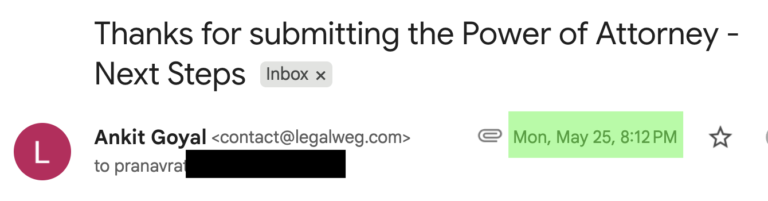
Client submitted the Power of Attorney
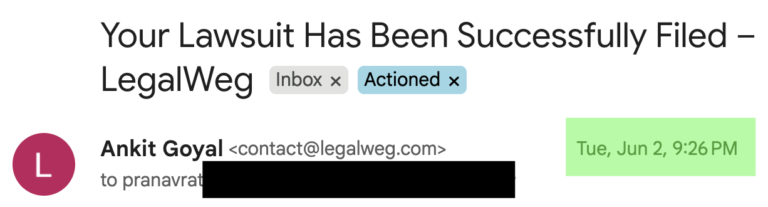
We filed the lawsuit
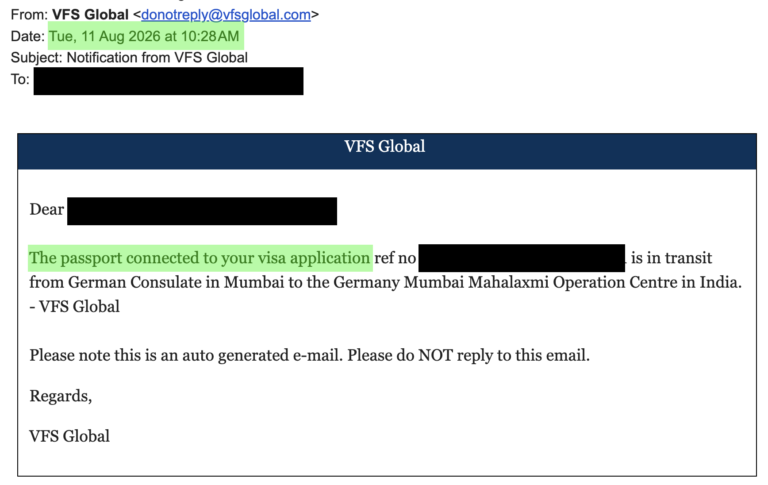
Visa approved by the authority
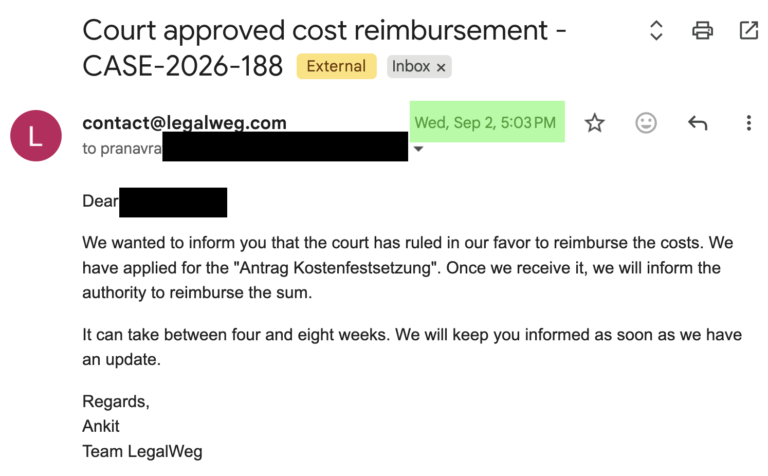
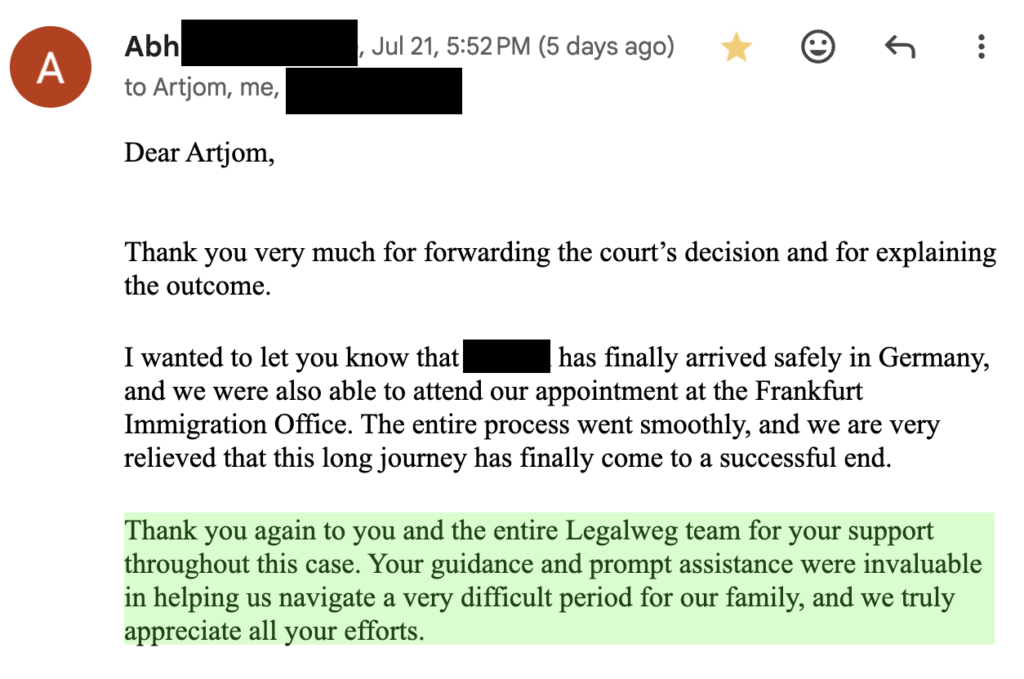
Court approved the court and legal fee reimbursement
Meet Your Immigration Lawyer
- Practicing law since 2016
- More than 250 successful court cases
- Offers advice in English, German, and Russian
- Specialised in immigration law
- Supporting expats for more than a decade


Don't Put Your Future on Hold
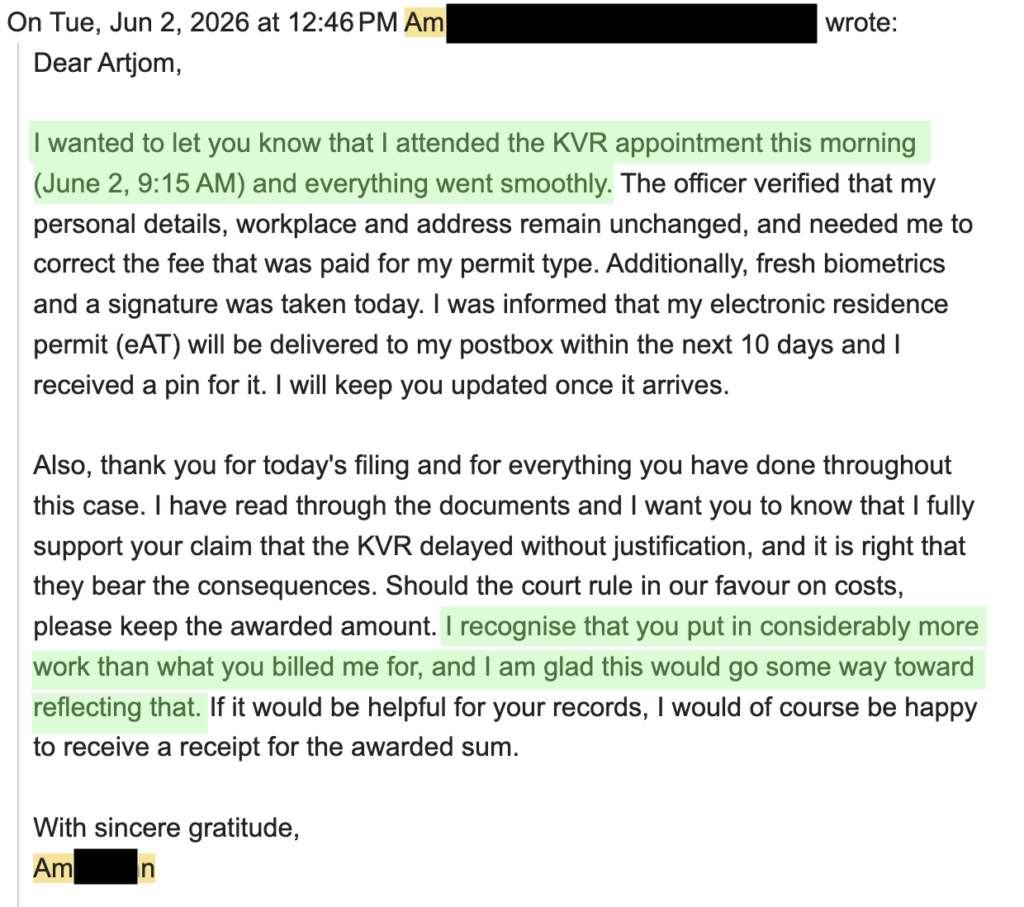
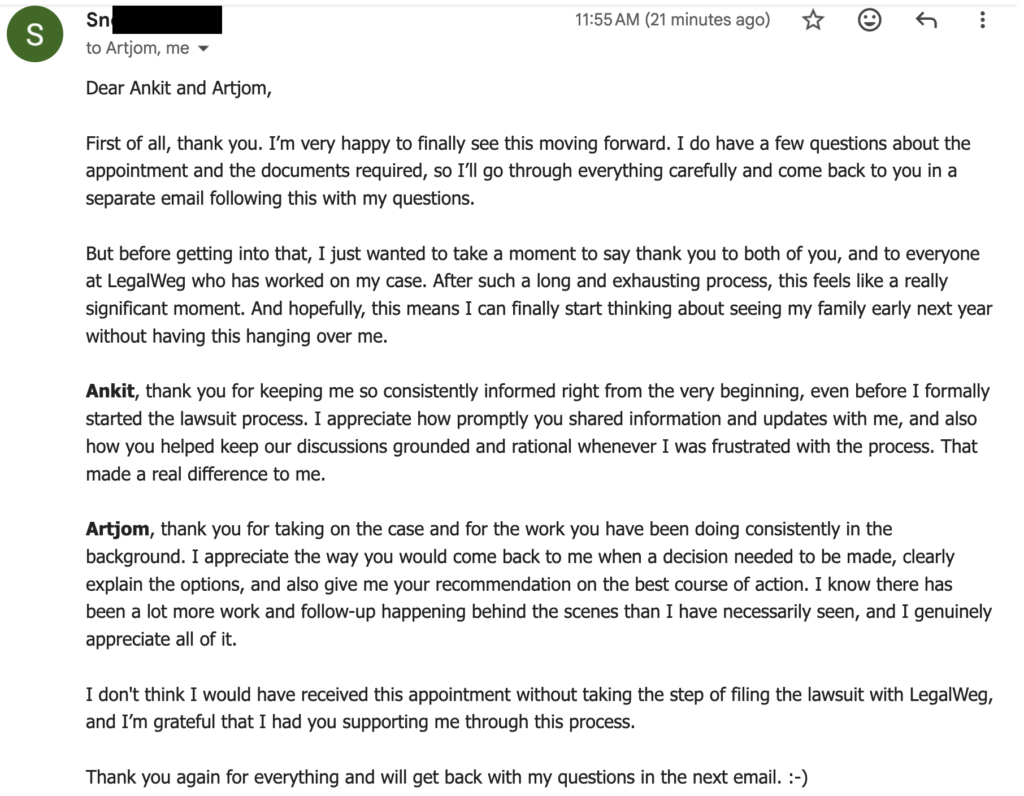
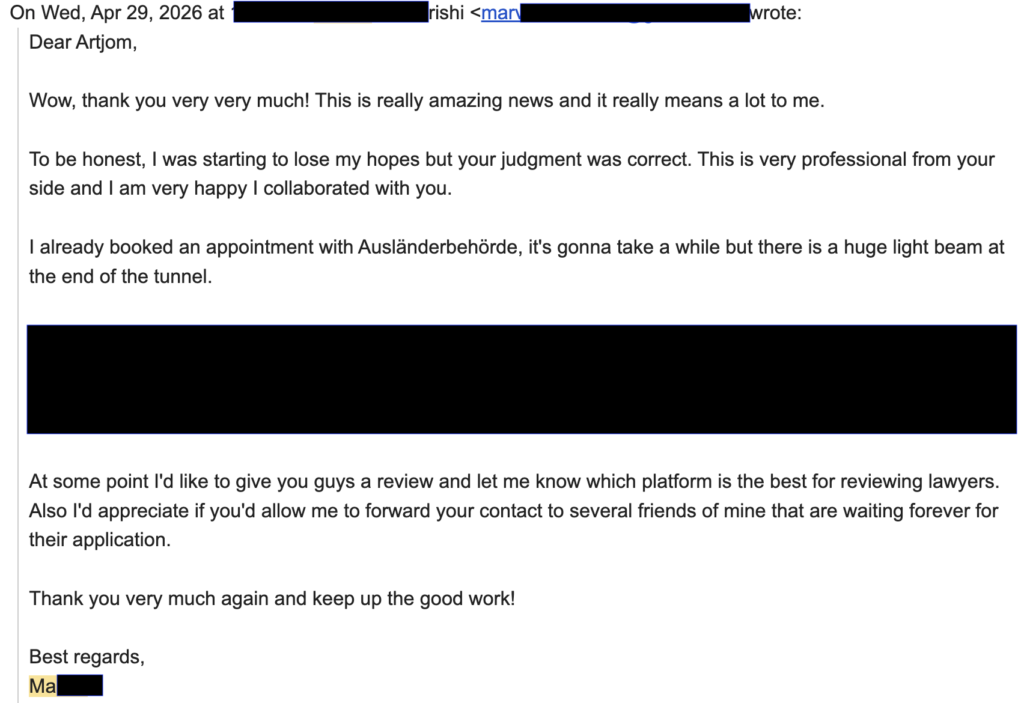
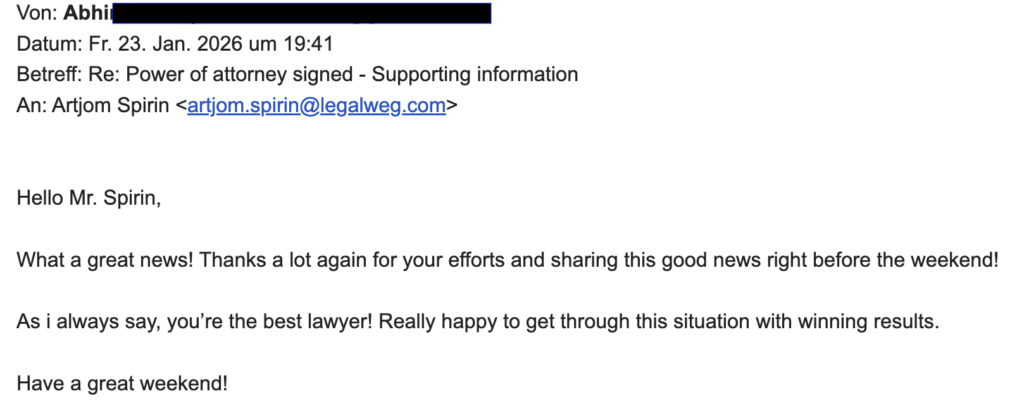
Untätigkeitsklage Explained
What is an Untätigkeitsklage?
An Untätigkeitsklage is a lawsuit you file against a German authority for failing to make a decision on your application within a reasonable time. The primary goal is not to force a specific outcome, but to compel the authority to act and issue a decision.
The legal basis for this action in administrative law is § 75 of the Administrative Court Code (Verwaltungsgerichtsordnung – VwGO). This law states that if an authority fails to decide on an application for an administrative act without a valid reason, you can file a lawsuit (§ 75 VwGO). Similar provisions exist for social courts (§ 88 SGG) and fiscal courts (§ 46 FGO), but this guide focuses on administrative cases, which include immigration matters.
When Can You File an Untätigkeitsklage?
You can file a lawsuit for inaction once a specific waiting period has passed.
The Three-Month Rule: You can generally file a claim three months after you submitted your application (§ 75 VwGO). This period is considered a reasonable time for the authority to process your case. However, depending on the city and the visa type, you should wait a bit longer before filing the lawsuit.
Exceptions to the Rule: In some situations, you may file sooner. If special circumstances make a shorter waiting period justifiable (for example, an urgent job offer depends on a visa decision), the court might accept your case earlier. Conversely, if the authority has a valid reason for the delay, such as a complex legal situation or a high volume of applications, the court may consider a longer waiting period reasonable.
An Untätigkeitsklage is admissible only if the authority has genuinely failed to act. This means there has been no decision on your application—neither an approval nor a rejection.
What Happens After You File the Lawsuit?
Once the court receives your claim, it forwards it to the authority. Often, filing a lawsuit prompts the authority to process your application quickly to avoid a negative court judgment.
Typical outcomes include:
- The Authority Issues a Decision: If the authority makes a decision (positive or negative) after you file the suit, the primary purpose of your lawsuit is fulfilled. The case can then be declared settled (erledigt), and the authority usually pays the court costs.
- The Court Issues an Order: If the authority remains inactive, the court can issue a judgment ordering it to decide on your application.
- Judgment on the Merits: In rare cases where your application is “ripe for decision” (Spruchreife), the court might even rule on the substance of your application itself.
Can I file an Untätigkeitsklage myself?
Yes, you can file a lawsuit at an administrative court without a lawyer. However, the process is formal and must be done in German. An error could weaken your case.
How to File an Untätigkeitsklage
Step 1: Identify the Competent Court
File the lawsuit at the administrative court (Verwaltungsgericht) responsible for the district where the authority is located. For example, if you are dealing with the Ausländerbehörde in Berlin, file your claim at the Verwaltungsgericht Berlin.
Step 2: Prepare the Statement of Claim (Klageschrift)
Your lawsuit begins with a formal document called a Klageschrift. This document must be written in German and contain specific information:
- Your Information: Your full name and address (the plaintiff, or Kläger)
- Defendant’s Information: The name and address of the authority you are suing (the defendant, or Beklagter)
- The Court: The name and address of the administrative court
- Clear Applications (Anträge): State exactly what you want the court to do
Step 3: Write the Statement of Facts and Grounds (Begründung)
Following the applications, explain the situation. Clearly and chronologically describe the facts:
- When and how you submitted your application
- The lack of a decision from the authority
- Any attempts you made to follow up (your reminder letter)
- Why the delay is unreasonable
Step 4: Attach All Necessary Documents (Anlagen)
Include copies of all evidence you gathered as annexes (Anlagen). This includes your application, proof of submission, the reminder letter, and any other relevant correspondence.
Step 5: File the Lawsuit
You can file the lawsuit in two ways:
- Paper Form: Submit two signed copies of the Klageschrift and its annexes to the court, either in person or by mail
- Electronic Filing: If you have the necessary technical setup, you can file electronically through Germany’s official e-justice system (besonderes elektronisches Anwaltspostfach, or beA)
Court Fees and Legal Costs
Filing a lawsuit involves costs. You must pay court fees in advance.
If you win the case, you can apply for reimbursement of costs. If the court approves it, you must write a letter to the authority requesting reimbursement of the costs.
If you lose, you bear the costs. If you have low income, you can apply for legal aid (Prozesskostenhilfe), which may cover court fees and attorney costs.
Common Pitfalls and How to Avoid Them
- Filing Too Early: Filing before the three-month period passes without a special reason will likely lead to your case being dismissed
- Missing Evidence: A claim without proof of application and delay is weak. Keep meticulous records
- Formal Errors in the Claim: The Klageschrift has formal requirements. Errors can cause delays. Check local court rules, as requirements can differ slightly by state (Bundesland)
- Misunderstanding the Goal: The goal is to force a decision, not necessarily a positive one. Be prepared for any outcome
Frequently Asked Questions
What can the court actually order?
Depending on your case, the court can:
- order the authority to decide your application within a set deadline, or
- decide the substance itself and order the authority to issue the permit, where the legal requirements are clearly met and no discretion is involved.
What a court cannot do is guarantee a positive decision in a case where you don’t meet the requirements. If your application is weak on the merits, forcing a decision may simply produce a faster rejection and we will tell you that before you spend money.
Will filing a lawsuit make the Ausländerbehörde treat me badly?
No. This is the fear we hear most often, and it isn’t how the system works. Officials are bound by law, not by mood, and processing your application faster is exactly what the court obliges them to do. A decision on your permit has to be made on the legal requirements alone.
Filing a claim is a normal, routine legal step in Germany.
What does winning the lawsuit means?
Winning the lawsuit means that the immigration authorities made a decision. The decision could be in your favor or against.
This means that as soon as you get a decision from the authorities, you win the lawsuit.
You are eligible to request reimbursement for your legal fees and court costs after winning the lawsuit. Our legal team will do this on your behalf.
Do I get the legal fees back after winning the lawsuit?
In Germany, if you win a lawsuit, the opposing party (in this case, the immigration office) typically covers your legal fees, including court and lawyer costs. However, the specifics can depend on the individual case and ruling.
It’s always best to confirm with your lawyer for details specific to your situation.
Does my legal insurance cover the cost of the lawsuit?
Whether your legal insurance covers the cost of a lawsuit against the immigration office depends on your policy.
Some legal insurance plans in Germany include coverage for administrative law cases, which may apply to citizenship or visa delays.
You should contact your legal insurance provider to confirm if they cover the legal costs for Untätigkeitsklage for visa delays.
What is the difference between Untätigkeitsklage and einstweiliger Rechtsschutz?
An Untätigkeitsklage is the standard route: it resolves the delay properly, and takes weeks to months.
Einstweiliger Rechtsschutz (provisional injunctive relief) is the emergency route, used when waiting itself will cause you irreversible harm. E.g., you’re about to lose a job offer, your Fiktionsbescheinigung is expiring, a family member is stuck abroad. It’s much faster, but the court has to accept that your situation is genuinely urgent.
The two are not mutually exclusive, and in the right case filing both applies real pressure. Which route fits you is a strategic decision. We explain you what strategy makes sense in your situation in the beginning.
Which cases do you handle?
Any delay in a German immigration matter, including:
- German citizenship (Einbürgerung)
- Permanent residence (Niederlassungserlaubnis, Daueraufenthalt-EU)
- Blue Card and work permits
- Family reunification and spouse visas
- Residence permit extensions and change of purpose
- Settlement of EU/EEA family members
- Delayed appointments and unanswered Widerspruch
If you’re not sure your situation fits, ask. The assessment is free either way.
Do I have to appear in court?
Usually not. So far, we haven’t seen a case where a court hearing is scheduled.
Most delay cases are resolved in writing or end once the authority decides. Personal attendance is rarely required.
Do I have to be in Germany to file an Untätigkeitsklage?
No. We act for clients waiting on embassy visa decisions and family reunification cases from outside Germany. Everything runs through secure document upload, email, and video calls.